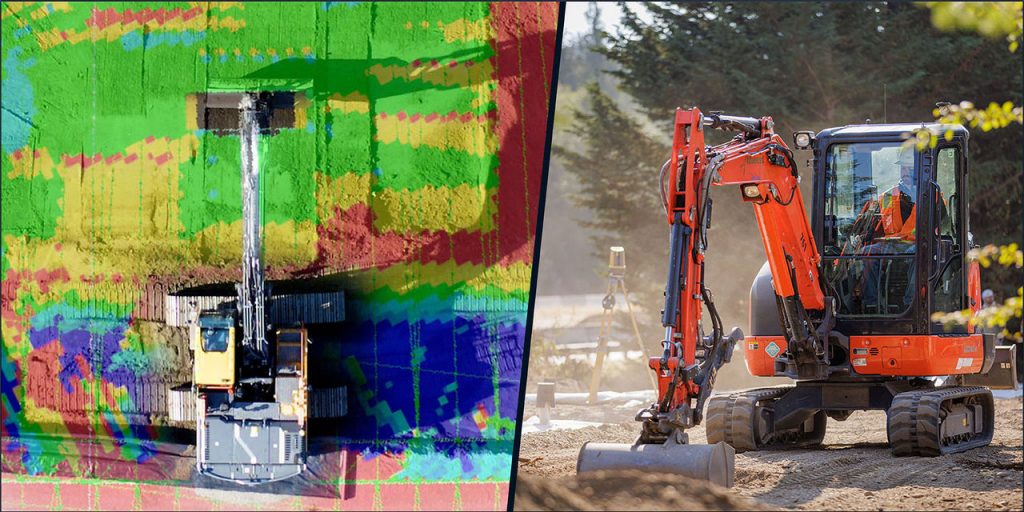
Machine control solutions for excavators, dozers, and graders, such as Topcon’s MC-Max & MC-Mobile, can save operators time, money, and fuel by improving accuracy and performance. Through the use of solution platforms such as the MC-X Platform, operators have access to technology that brings all standard site positioning solutions and different machine types together. This means they can mix total stations and GNSS with excavators, dozers, and motor graders.
From excavators that can automatically grade to trucks that drive themselves, machine control technology is revolutionizing the construction industry. But how does this technology really work?
To understand how machine control is changing the construction industry, one must first understand what is meant by the term "machine control" and the reasons for its development. Simply put, machine control hardware and software solutions were developed to determine a machine’s current position on the earth and compare it with the desired design surface. Using data from satellites, total stations, and 3D models, the technology enables machine operators to accurately position machinery, check grade, automate equipment functions, and collect data. Using various positioning sensors and a display screen, machine control systems provide operators with a clear reference between the position of the machine bucket or blade and the design surface. Used by the construction industry with earthworks equipment since the 1990s, the technology enables decisions to be made based on data rather than relying on error-prone traditional methods or an operator's skill and experience. As a result, machine control effectively increases operators' productivity and accuracy by enabling them to rely on precision-centric technology.

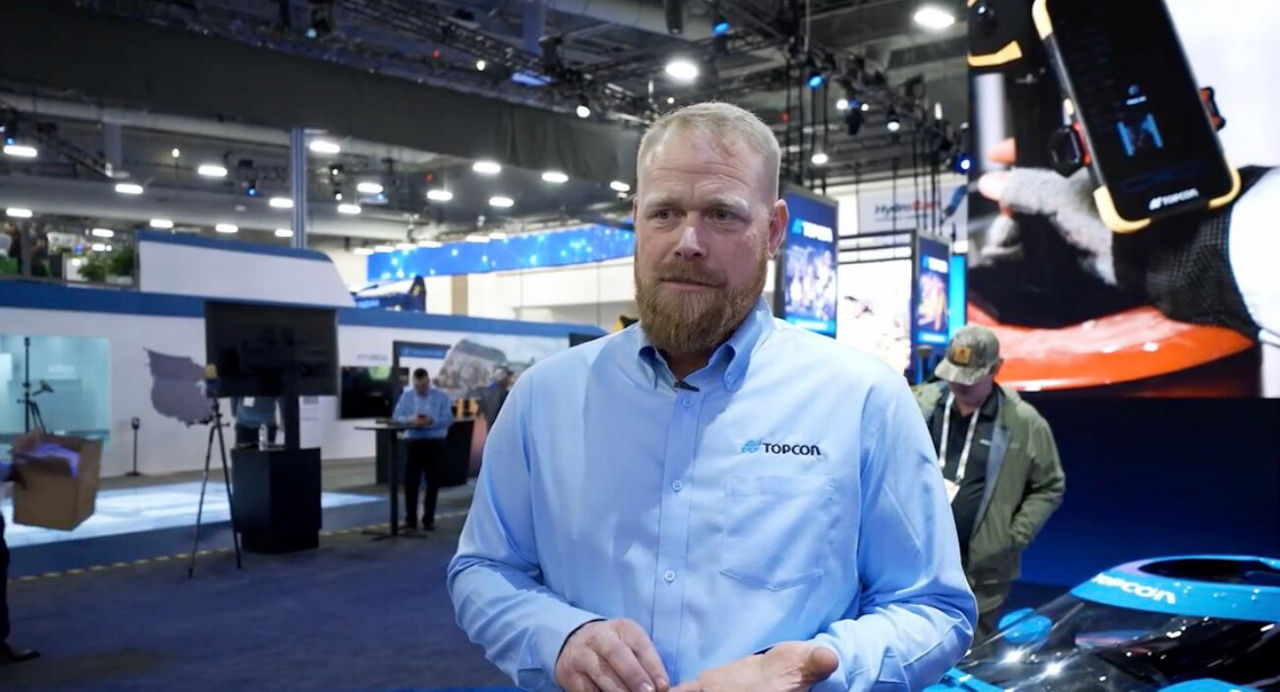
Mark Jones, Topcon Machine Control
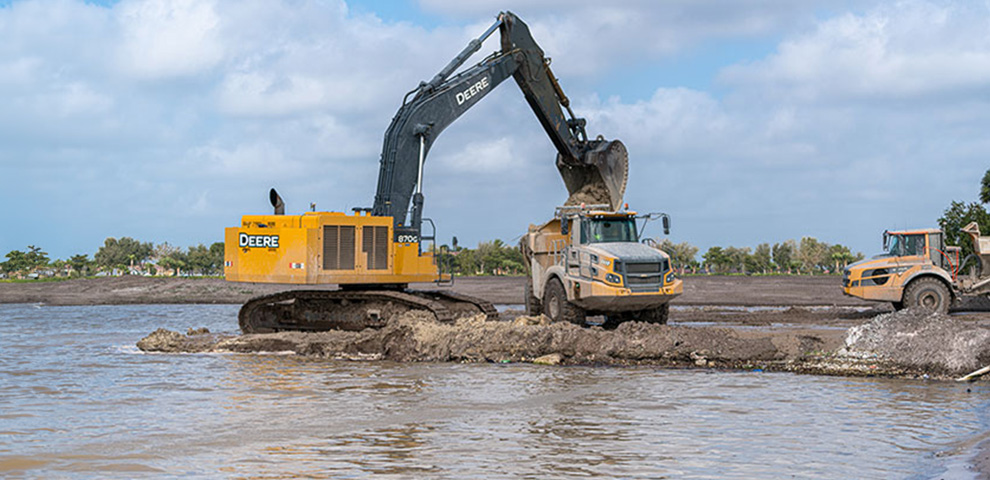
Present-day challenges for the construction industry
Fast forward to the present day, and the construction industry is facing some significant challenges. It is no secret that there is a lack of fresh talent entering the sector. In particular, contractors have difficulty attracting young people, and as a result, fewer people are entering the profession. Should this trend continue, the industry will be left with a shortage of experienced and reliable operators, impacting the quality and productivity of projects and creating a significant skills gap that our industry is already facing. To meet construction targets and tackle the skills gap head-on, the industry is turning to automated machine control to further enhance its workflows.
What is automated machine control?
Going beyond simply providing operators with a visual guide to bucket or blade position, automated machine control moves the blade to grade by talking to the machine’s hydraulic control system or CAN (Controller Area Network) built into the machine. Unlike with indicate machine control, automated machine control technology places the responsibility for accuracy and speed firmly in the hands of performance-enhancing technology. This means that, with this technology, new or less-skilled operators can perform like experienced professionals, and even the most established operators can work better and faster.
Looking at the current construction landscape, it is clear that, despite its significant benefits, machine control automation is not being adopted across all machines at the same rate. In fact, although automation is being embraced on machines like graders and dozers, the uptake has been much slower for excavators. According to Equipment World, in 2024, 54% of US-based contractors surveyed stated they do not use machine control at all.
In the past, this was unsurprising, as the industry previously had a steady supply of skilled workers, so the need for automation across excavators was not considered high. Today, increased productivity on excavators is demonstrated through improved accuracy and reduced over‑digging, which are both relatively easy to measure. Nevertheless, it is clear that the industry now needs to reassess the requirements for excavators. With the demands for productivity increasing and a shortage of skilled operators, construction needs to embrace the benefits that investing in automated machine control can bring.
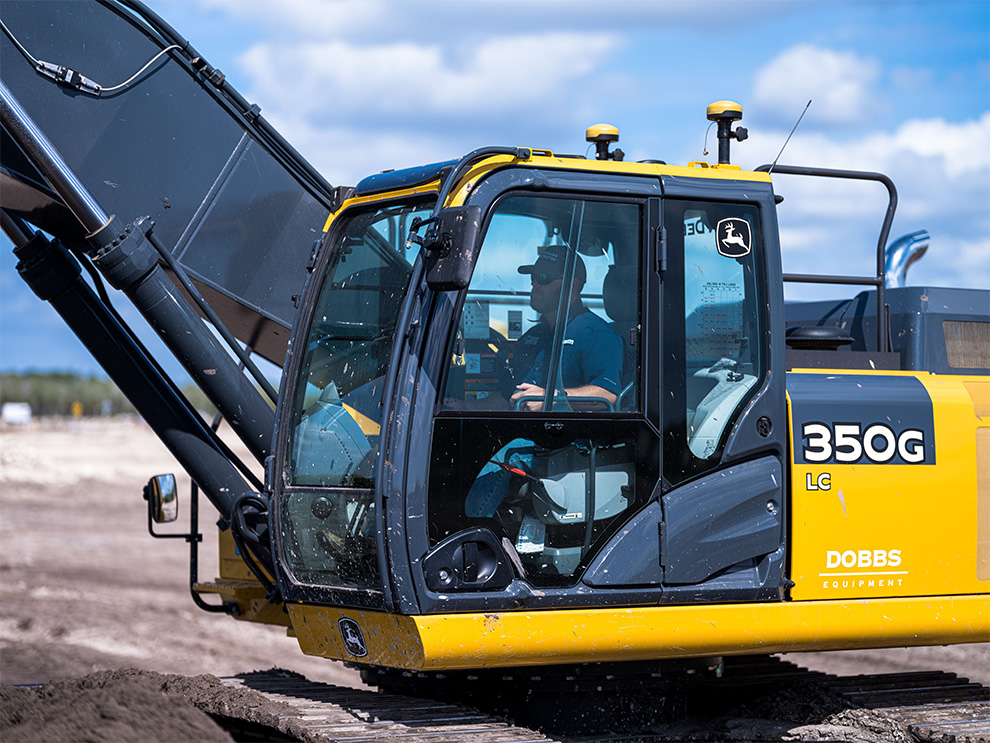
Automated 3D machine control systems, such as MC-Max & MC-Mobile, also provide onsite safety benefits. By using the most advanced and precise LPS & GNSS positioning technology and sensors, operators receive real-time, dynamic, on-screen bucket location and design views. Access to real-time designs means that operators can cut more accurately and check against complex designs in the cab, removing the need for someone to check the grade from the trench.
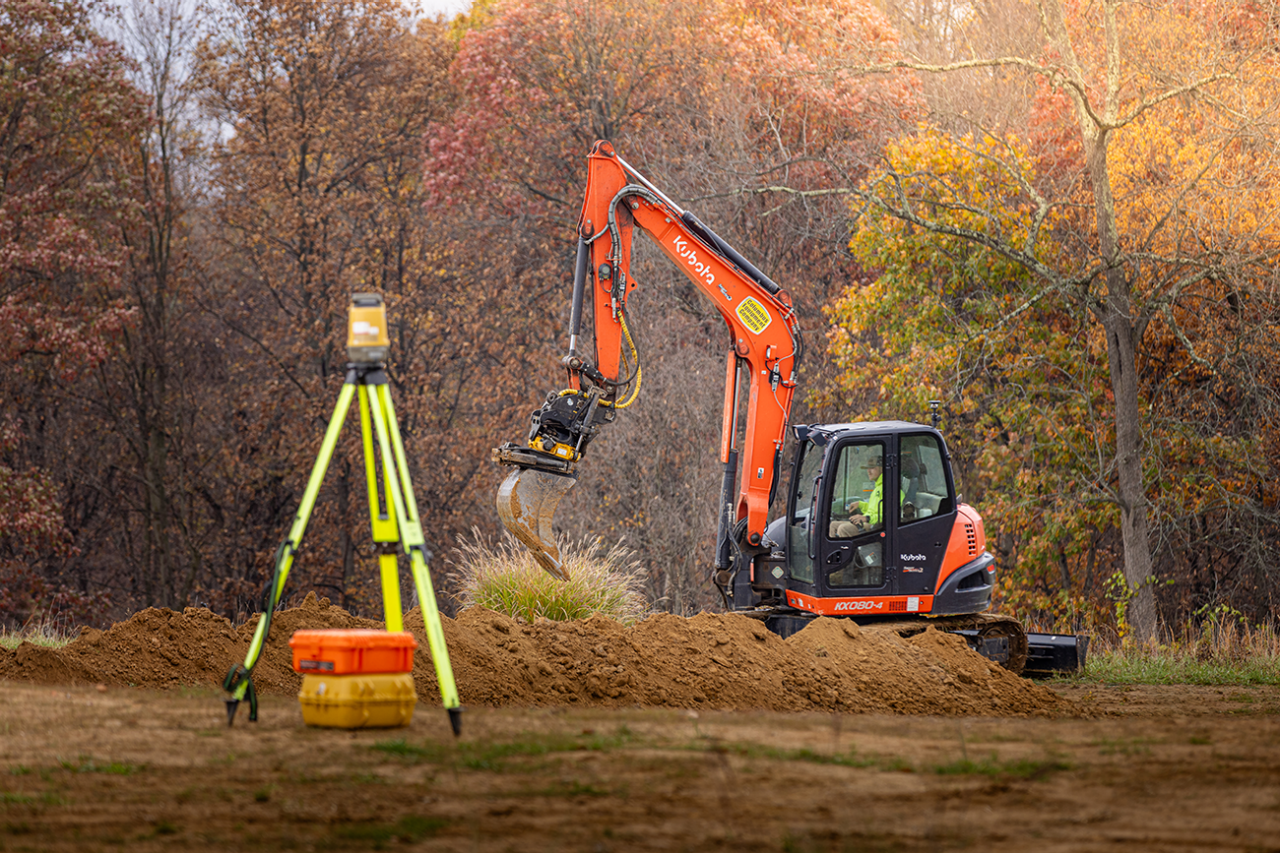
The future of automated machine control
Automation is just the first step for machine control. Looking forward, not only will automation control machine angle and depth, but the whole excavation process looks likely to become automated, increasing productivity across the entire construction workflow. Through the use of automated machine control technology, such as MC-Max, MC-Mobile, and site management tools like Sitelink3D service, machines will be able to act as sensors, enabling real-time monitoring of project progress and the sharing of accurate productivity reports. In the wider construction workflow, these reports will be used to synchronize with other functions within a project and associated equipment, such as trucks, to streamline the construction process and avoid delays. Grand View Research’s Autonomous Construction Equipment Market Report for 2024-2030 states that North America is the largest market for autonomous construction equipment, driven by rapid infrastructure investment and safety needs.
At present, deciding if more excavators are needed is a human-led decision based upon the completion timeline and the length of the haul, which in turn affects the number of dump trucks. In the future, fully automated construction workflows will allow project managers to accurately assess progress and appropriately resource the operation. Construction professionals need to ensure they are upskilling their workforce through this technology and embracing the benefits it brings to projects, since fully automated construction workflows look set to be the answer to meeting infrastructure targets in the future.
Interested in learning more? Fill out the form below to connect with a local machine control expert.
Get connected for more information
Fill out the form to get connected with a local machine control expert.
Thank you!