A Civil Evolution

Using a host of GNSS-based solutions, Colorado contractor overcomes challenges,experiences amazing development.

Managed properly and with a focus on what makes them better, companies grow — it’s inevitable. Factors that can drive improvement are vast and include everything from employee education and motivation to adoption of labor/time-saving technology. For Alpine Civil Construction, which was already established as one of the most valued turnkey contractors in the Denver, Colorado area, that latter element proved the key to further growth. And grow they have, quadrupling in size in just the last four years. Today, relying heavily on an arsenal of GNSS solutions in every facet of their work, the company tackles a broad range of projects, meets ever-tightening deadlines with ease, and, as a result, has become the contractor of choice for virtually every large homebuilder in the area. Most competitors might argue there’s nothing civil about that at all. To them we say: boo hoo.
Quickly Embraced

Established in 2017, Alpine Civil Construction quickly established itself, first as a slipform paving company, then expanding into mass excavation, grading and utility work. That diversity of skills — and the ability to complete projects much more quickly and accurately than others — made them the go-to contractor for many of the largest residential developments in the Denver metropolitan area. But, according to Matt Varholdt, one of the company’s founders, the secret to their success runs much deeper than that.


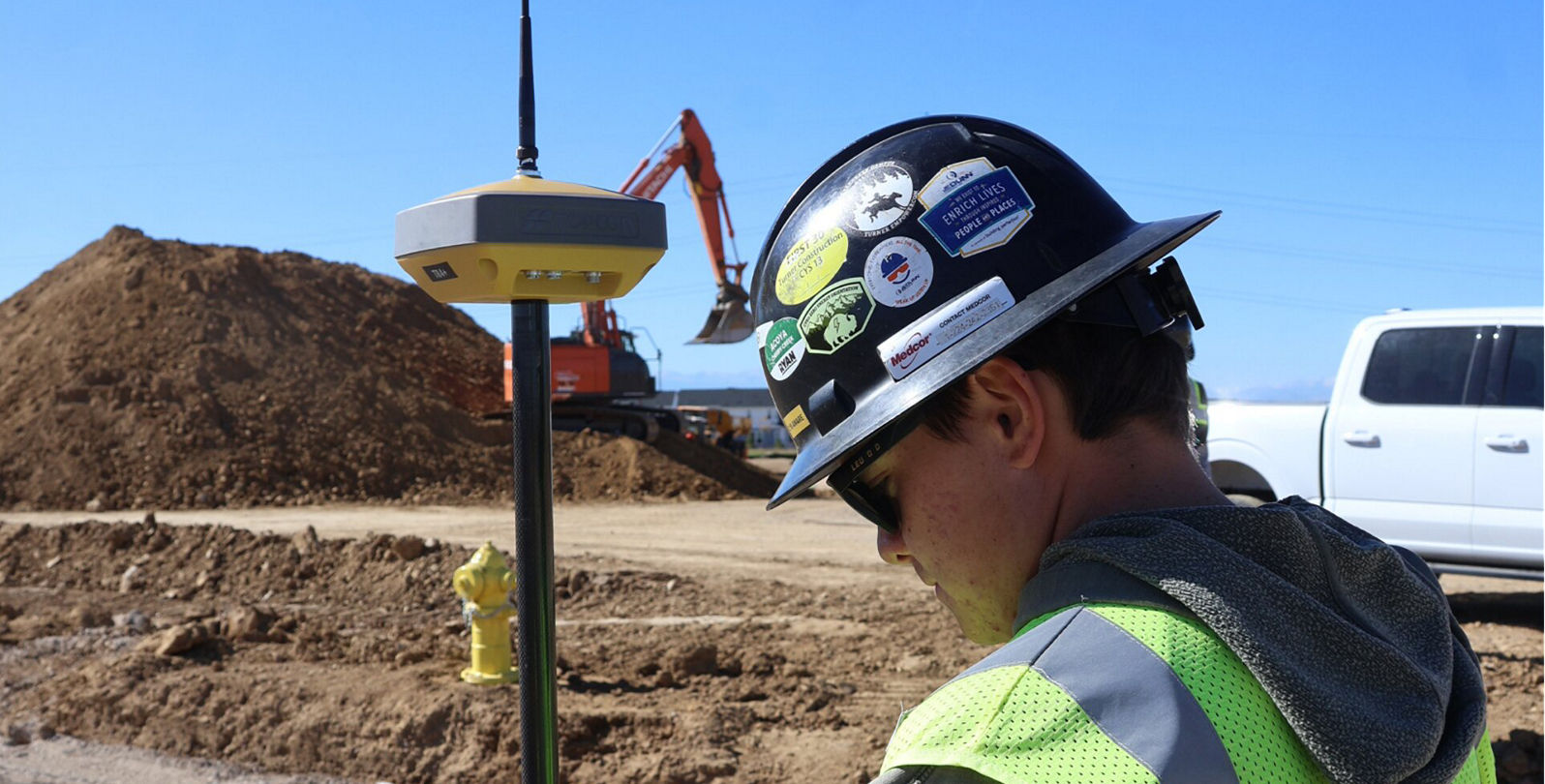
“I think it’s actually the sum of all the things we do: our performance, our reputation for tackling projects that others won’t, and the benefits we can provide through our use of technology,” he said. “The technology aspect of our business cannot be overstated. We realized it early on, thoroughly embraced it several years ago, and built upon the benefits. Today, we have the overwhelming majority of our machines automated and working off one of the more than two dozen Topcon base stations we own company-wide.”


To illustrate the strengths those solutions provide, he cited three major development projects in which they are currently involved. Though similar in many ways, each job is calling upon a different solution or solutions to get the results they need.

Into the Oaks

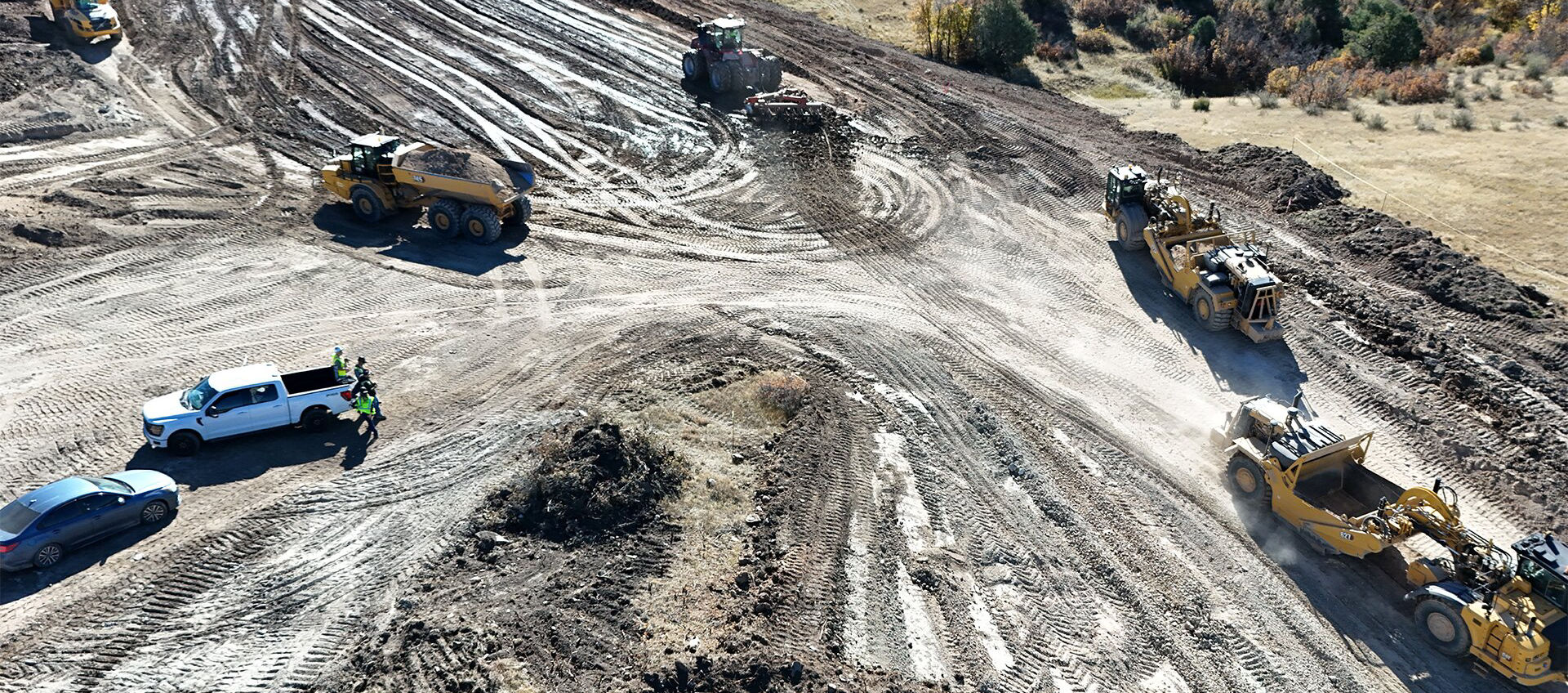
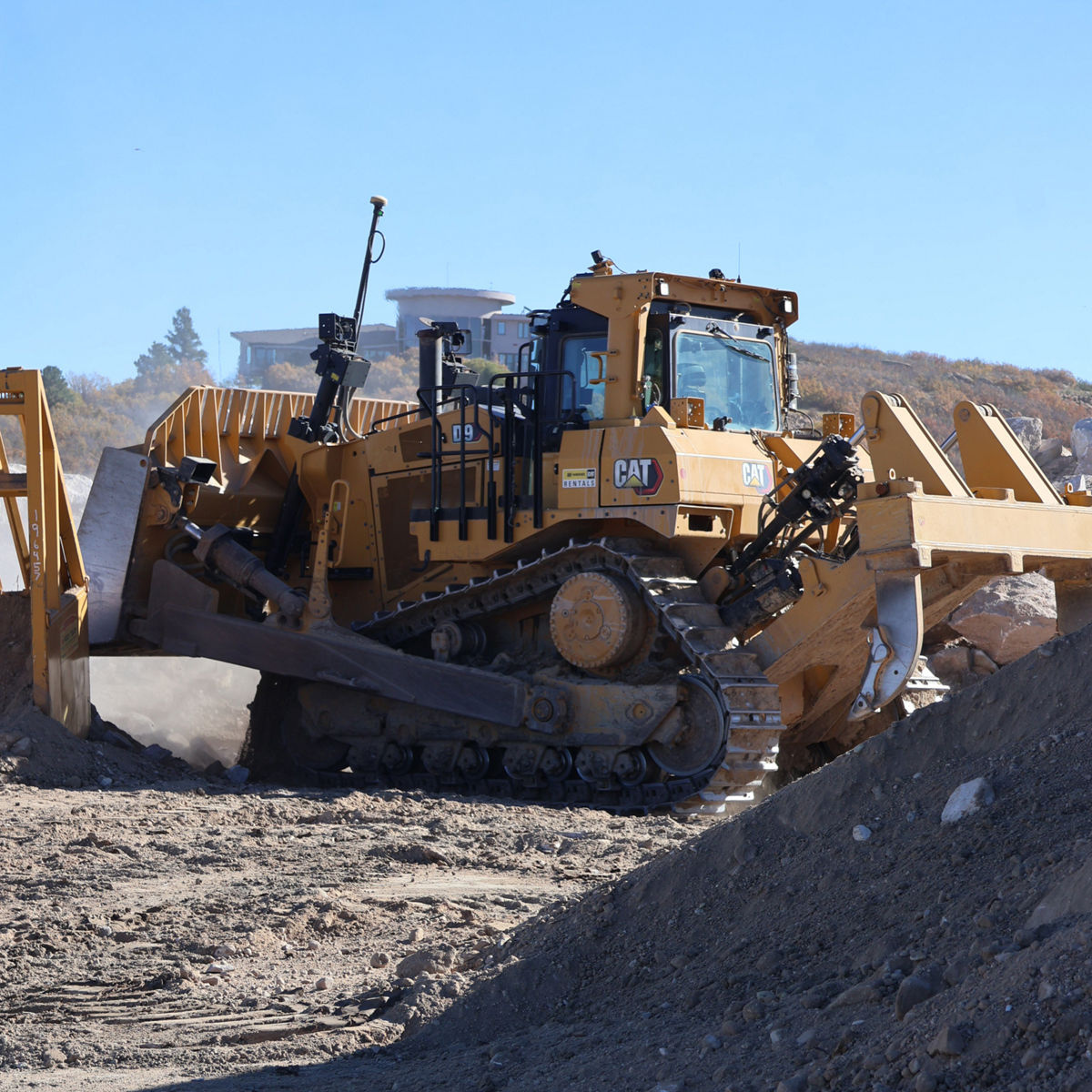
Located about 30 miles south of Denver, a development called The Oaks of Castle Rock is taking shape and, when complete, will feature 114 custom-built homes on 166 acres of rolling terrain. That terrain — and other onsite features — could have posed a real challenge, according to Alex Morrow, Alpine’s project manager at Castle Rock.


“This is far from the typical development site in which an owner buys a hay field, we level it and start putting in roads and houses,” he said. “Part of the appeal of this site is its natural beauty, so every scrub oak that we can keep and every corner of this property that we can leave undisturbed, we are. As a result of those efforts in the design, there are no straight lines on this project. There's no way to just, ‘follow the fence.’ So, all of our machines — dozers, excavators, scrapers, etc. —  are either running Topcon automation or running off the Topcon base, meaning our operators know exactly where to go and what to avoid. That means we're not calling for a survey stake to confirm every unknown detail.”


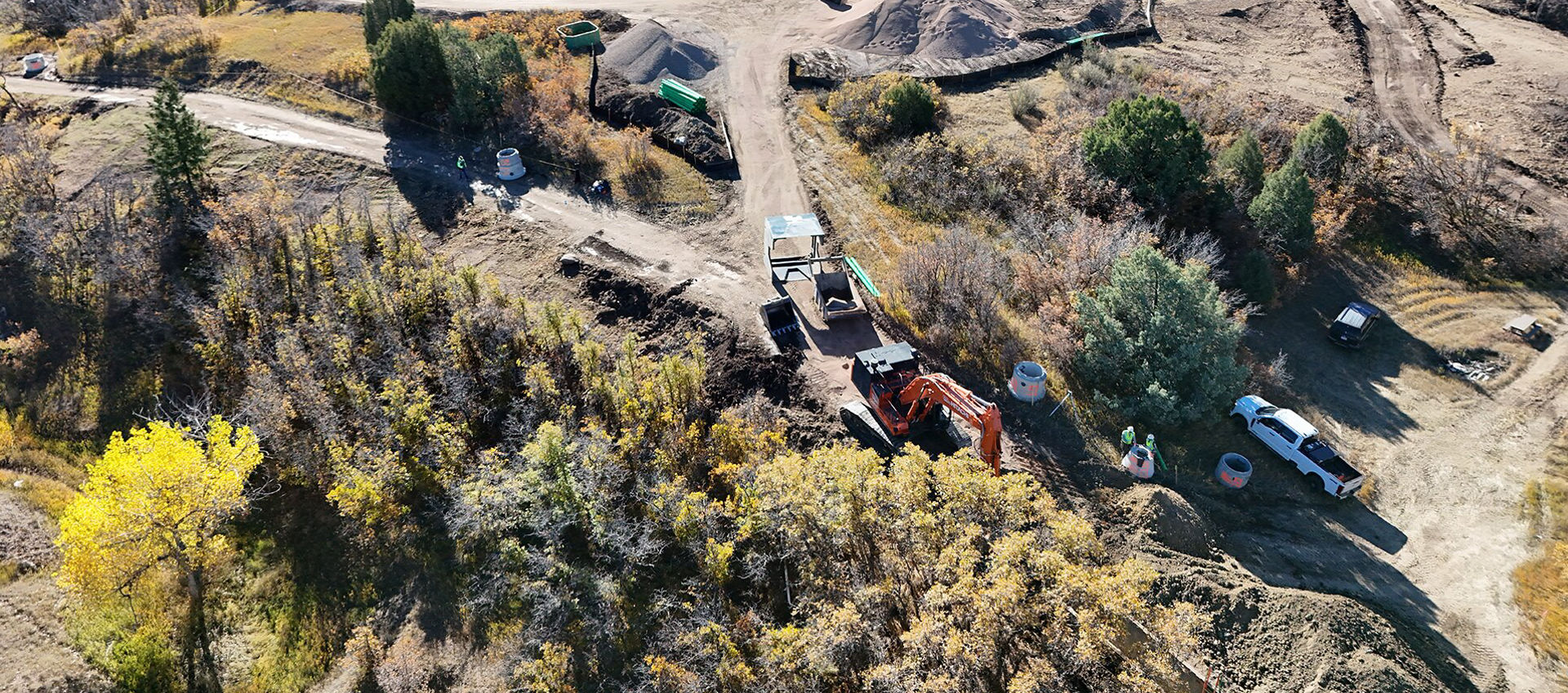
In addition to offering stunning views, the Oaks site is also situated on extremely rocky terrain which is making utility work a challenge. “We've got a 550 Volvo excavator hogging out material to identify areas with a seam of rock. With those areas established and marked, the blast team uses our digital model to create a drill pattern to the exact depths/limits needed. That’s been a huge advantage.”

“Part of the appeal of this site is its natural beauty, so every scrub oak that we can keep and every corner of this property that we can leave undisturbed, we are. As a result of those efforts in the design, there are no straight lines on this project. There's no way to just, ‘follow the fence.’ So, all of our machines — dozers, excavators, scrapers, etc. —  are either running Topcon automation or running off the Topcon base, meaning our operators know exactly where to go and what to avoid. "

– Alex Morrow, Alpine’s project manager at Castle Rock
Long Term Work

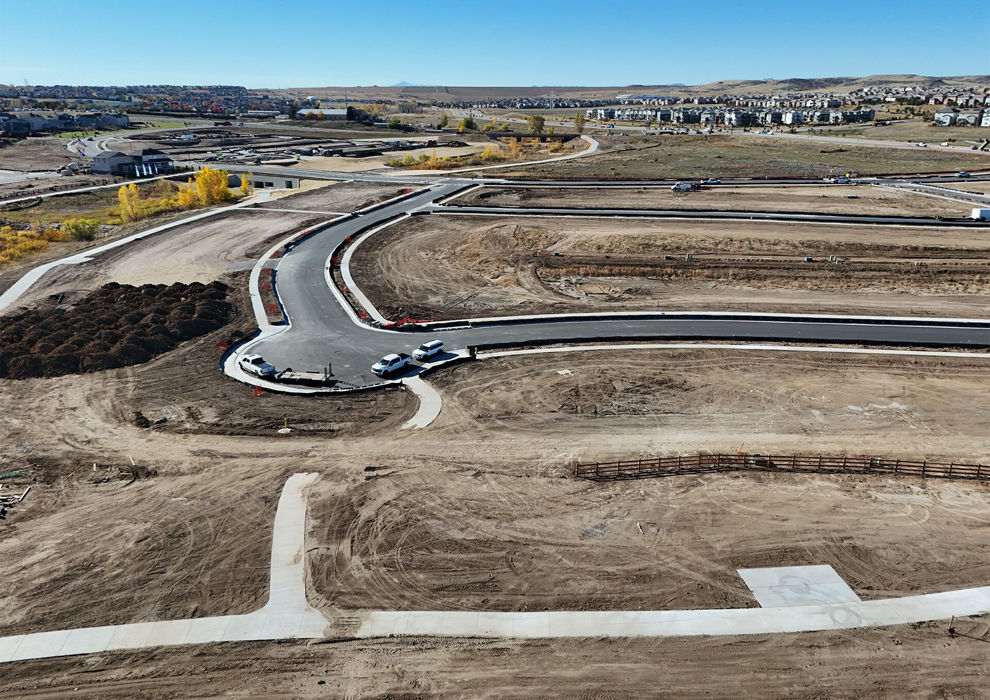
Back in Denver, another Alpine crew has been at work on a development known as Newland Crossing, that, owing to continued growth, has kept the company busy for several years and counting. The latest addition to the project will add upwards of 200 homes to an already sizeable enclave known as the Stonegate Village Metropolitan District, according to Dominic Herrera, Alpine’s operations manager.


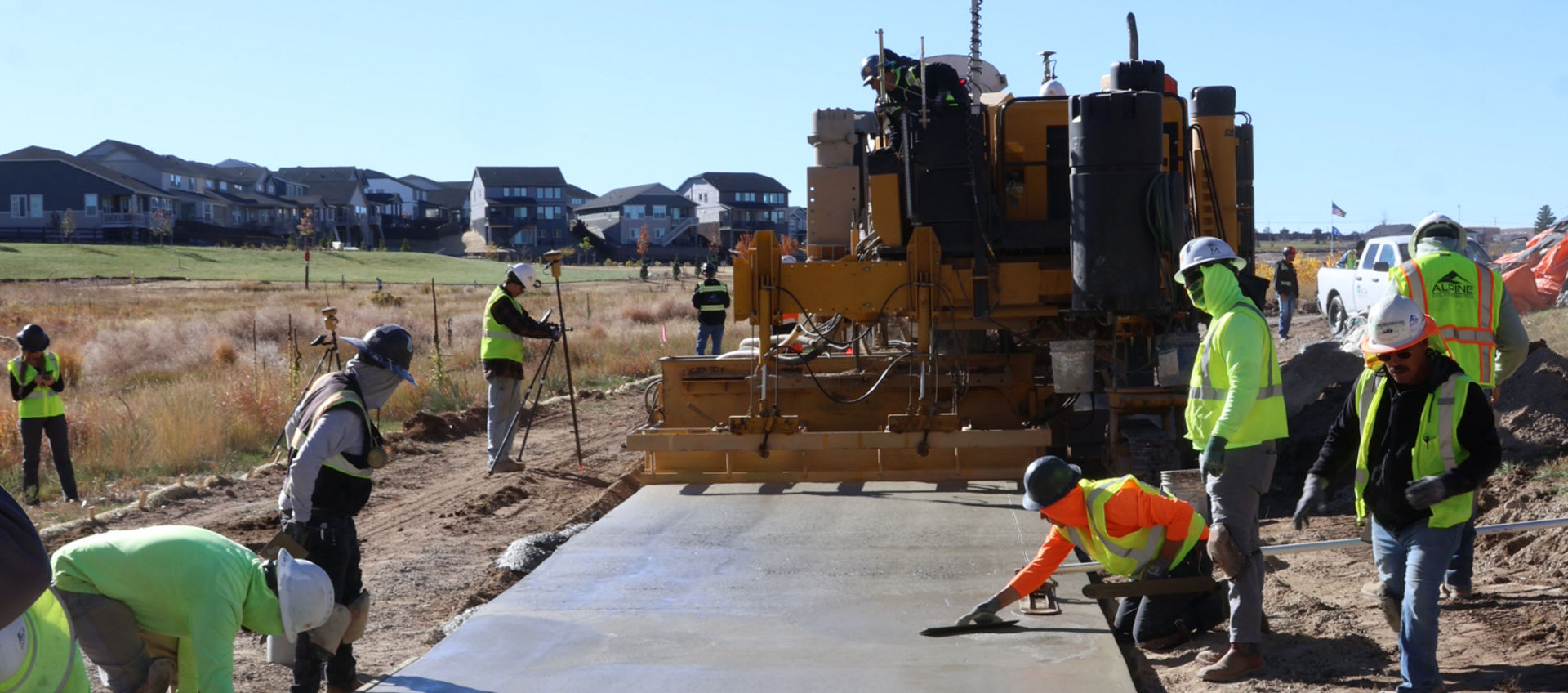
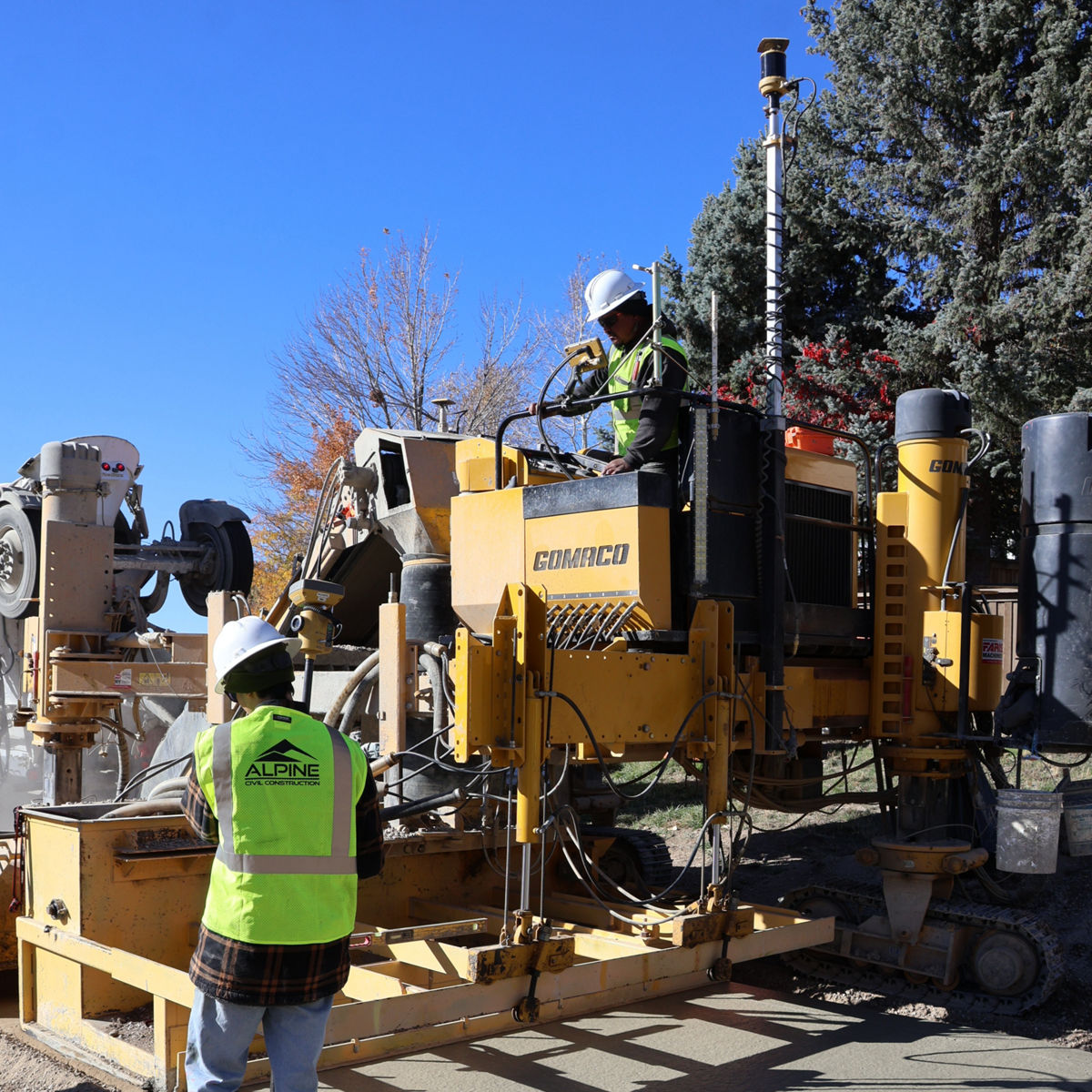
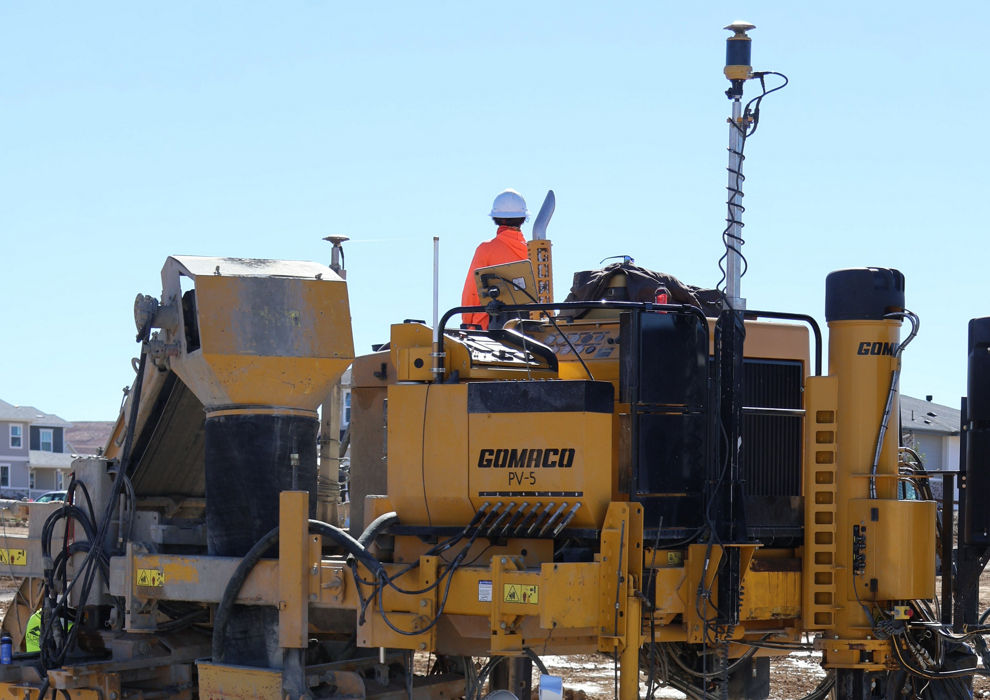
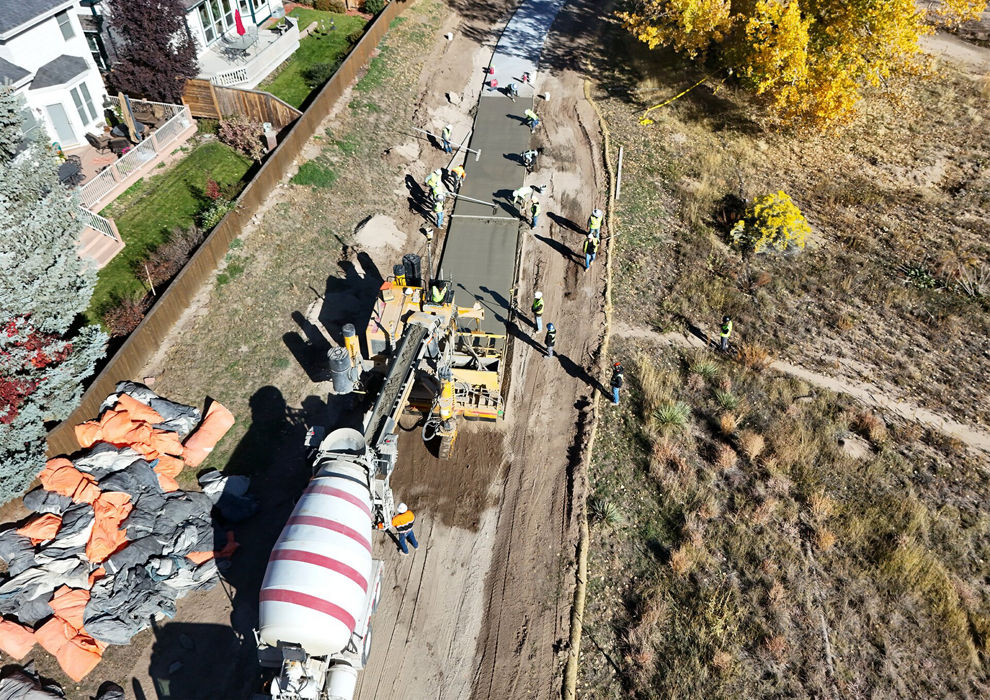
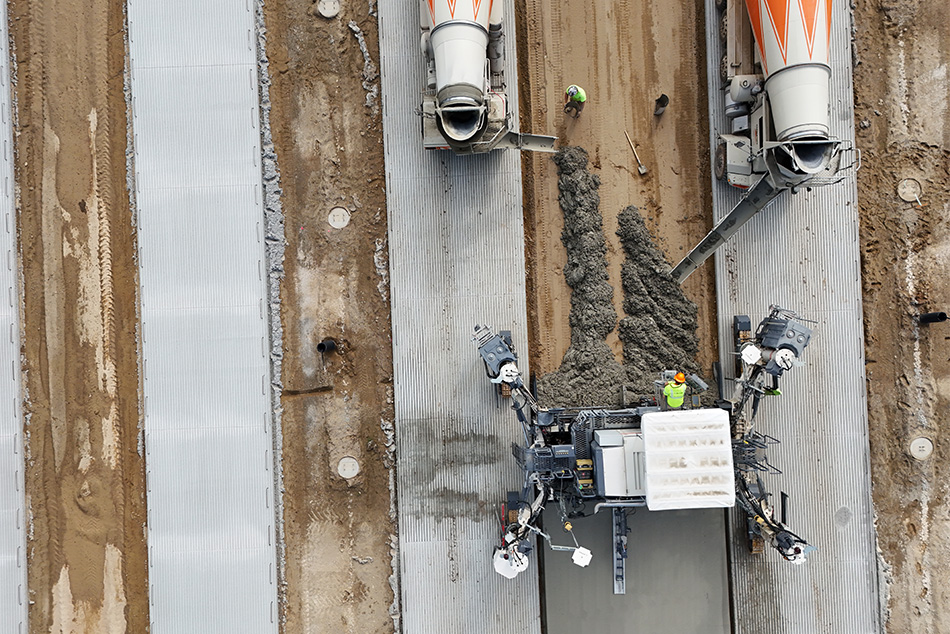
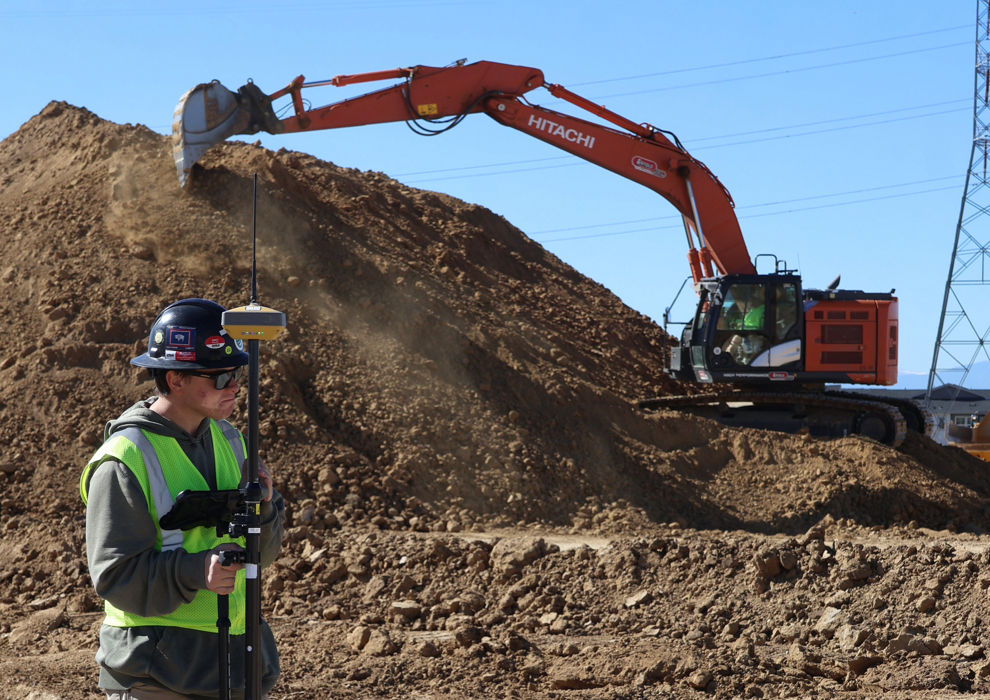
“This project included the full turnkey scope, where we will perform all the subgrade work, the flatwork areas, the utilities and the asphalt and concrete,” he said. “Somewhat unique to this job was a series of regional trails linking the new project to already existing parts of the development. We slipformed those trails — easily a couple miles of them — using a GOMACO Commander III controlled using Topcon Millimeter GPS.”


He added that the Topcon solution, which uses a laser zone to provide millimeter-grade accuracies, allows Alpine to stay within the .01’ specs that the design demands and do so with minimal reliance upon surveyors. “We simply rely upon a grade checker who periodically verifies those accuracies. It’s an immense time-saver for us without sacrificing accuracy —  and another strength we bring to the job for our customer.”

“This project included the full turnkey scope, where we will perform all the subgrade work, the flatwork areas, the utilities and the asphalt and concrete.”

– Dominic Herrera, Alpine’s operations manager
Third Creek’s a Charm

Further north from the Newland location, that same millimeter solution can be found pulling multiple duty at yet another massive development called Third Creek. There, in addition to grading and utility work, Alpine laid down 16,000 linear feet of curb/gutter and sidewalk. 


“We used a GOMACO Commander III for the catch curb and a GOMACO GT-3600 for the spill curb,” said Sam Marshall, Alpine’s project manager. “Both were running Topcon Millimeter GPS and that solution’s strengths allowed us to complete the three miles of pours in just three days. That was impressive, even to us.” 


Alpine’s role in the Third Creek project was deep in every sense of the word. In addition to the curb and gutter work cited above, the company also installed 16,000 linear feet of 21” sanitary sewer to a depth of 20+ feet (in groundwater), laid down 8,000 linear feet of storm sewer — 3,000 feet of which was 72” reinforced concrete pipe — and installed 85 concrete utility structures. Those included 4’ manholes, 5’ ‘Type R’ curb inlets and several 10’ X 10’ CDOT box-base manholes. 

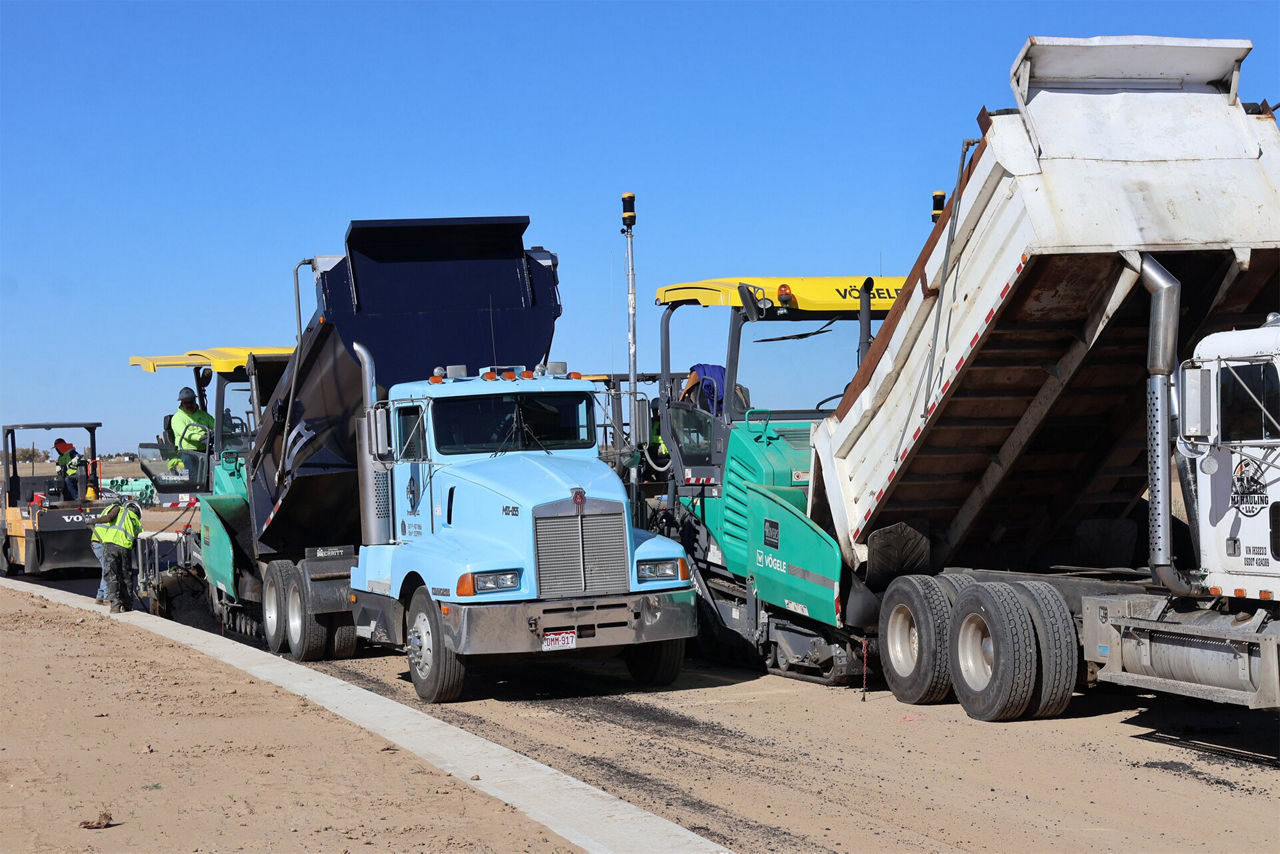
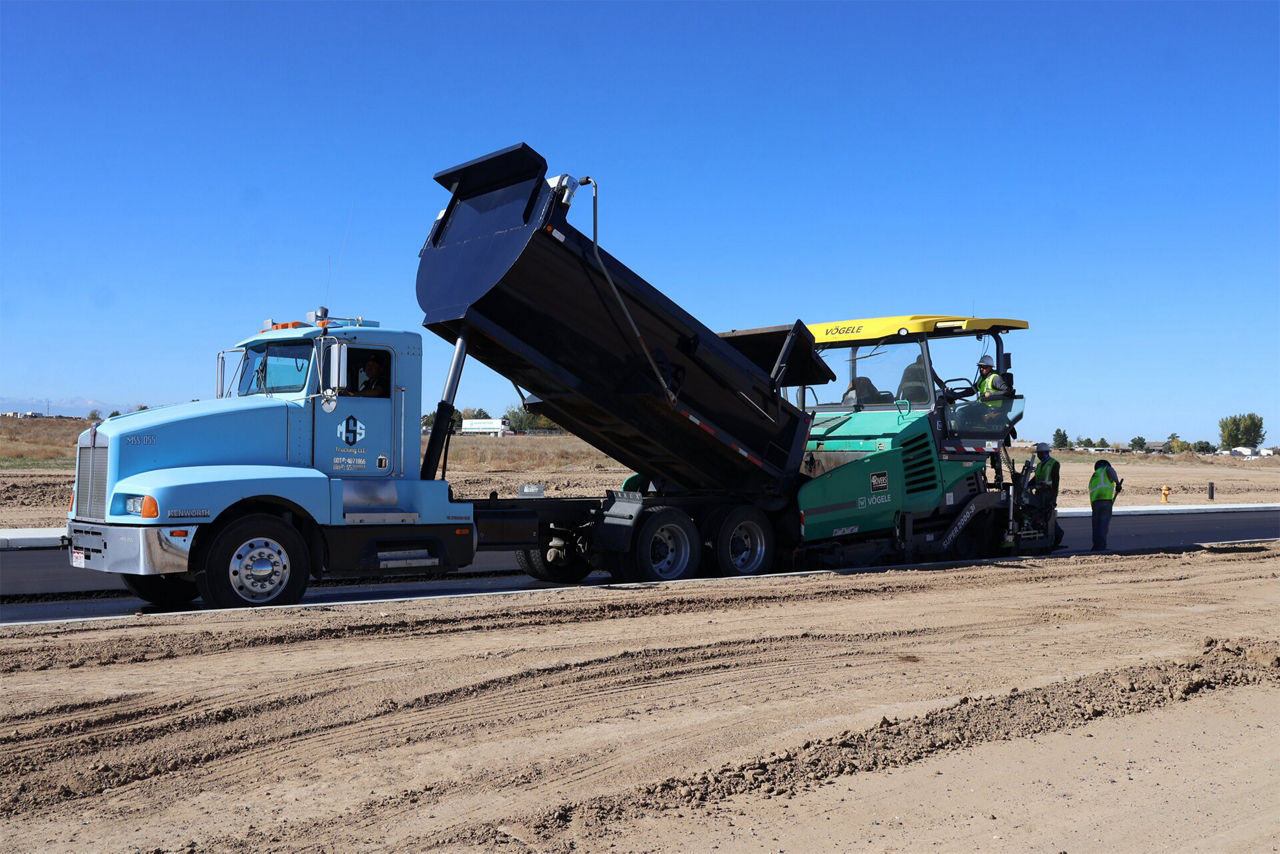
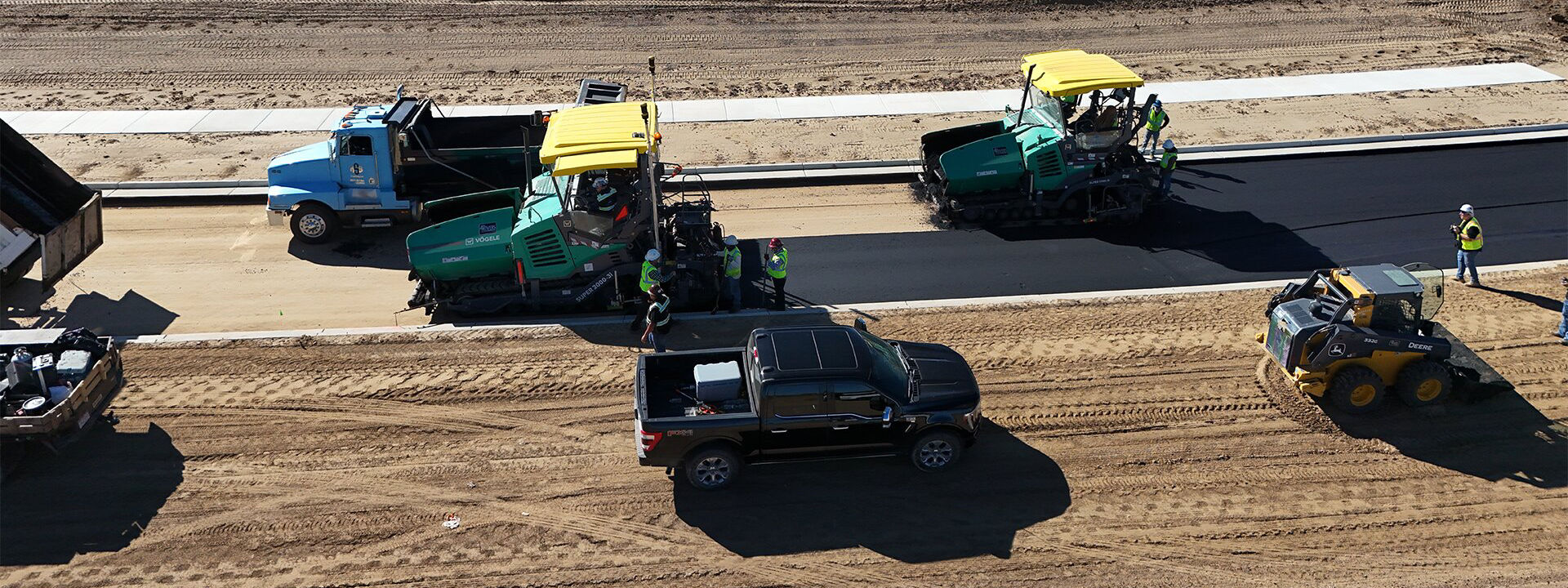
True to form, Alpine is continually evolving, and that evolution extends to use of the Millimeter GPS solution in its asphalt paving operation. At Third Creek, the company used a pair of pavers to lay down some 7,500 cu. yds. of 8-9” asphalt mat.

“We were using two Vögele machines, one a Super 2000-3i equipped with the Millimeter GPS solution, the other a Super 1700-3i running standard sonic trackers,” said Marshall. “While the Millimeter-equipped machine really excelled and was consistently on the money, both pieces greatly benefited from having the prep and grading done using Topcon GPS. The end result was the highest quality pavement possible — a result which customers have come to expect from Alpine Civil.”
“Both were running Topcon Millimeter GPS and that solution’s strengths allowed us to complete the three miles of pours in just three days. That was impressive, even to us.”

– Sam Marshall, Alpine’s project manager

Related articles