Excerpt from GeoConnexion International
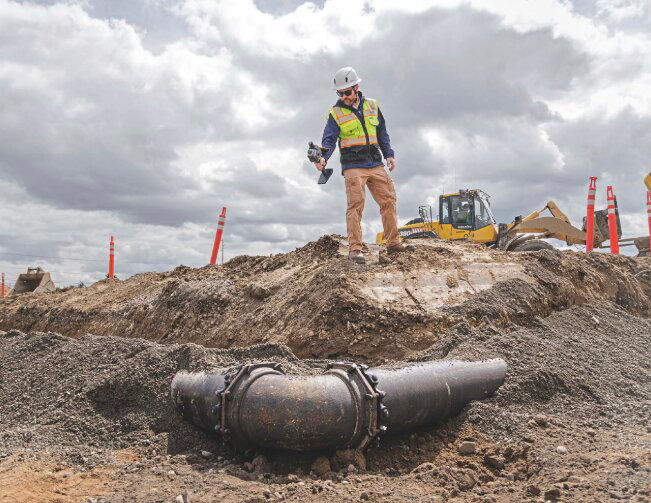
Phil Marsh explains why reality capture's next phase is all about confidence.

Excerpt from GeoConnexion International
Phil Marsh explains why reality capture's next phase is all about confidence.
Reality capture is entering a new phase. The last decade has transformed what it can do; advances in sensor technology, positioning, mobile mapping, and processing have made it possible to capture the physical world with a speed, accuracy and level of detail that would have seemed ambitious only a few years ago. That relentless pursuit of precision has driven remarkable innovation and continues to do so, with the global reality capture market forecast to grow from $5.7 billion in 2024 to more than $18.2 billion by 2033.
As these technologies continue to mature, however, the industry’s focus is shifting. Increasingly, the challenge is no longer proving that reality can be captured at scale, but ensuring trusted spatial information moves quickly and reliably into the workflows that shape design, construction and asset management. In many ways, that marks the next chapter for reality capture; one where the greatest value comes from making data work harder across an entire project lifecycle.